Tiergarten
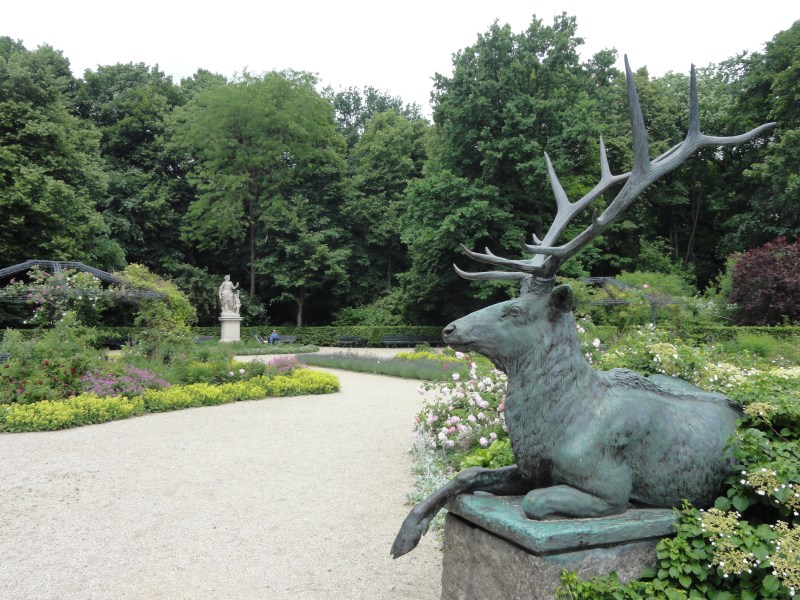
The Tiergarten is Berlin’s most popular inner-city park. The park is 520 acres in size and is among the largest urban gardens of Germany. The beginnings of the Tiergarten can be traced back to 1527. It was founded as a hunting area for the Elector of Brandenburg. The Second World War caused significant damage to the Tiergarten. Many statues were destroyed or damaged. After the war, the Tiergarten underwent a sudden, violent change. Much of the wooded area was felled and turned to firewood due to the shortage of coal, and the now empty fields were turned into temporary farmland by order of the British occupational troops in the region. However, these two factors caused the once great forest to nearly disappear; only 700 trees survived out of over 200,000 that once lined the parkway. The Tiergarten was reforested between 1949 and 1959.

Berlin Victory Column
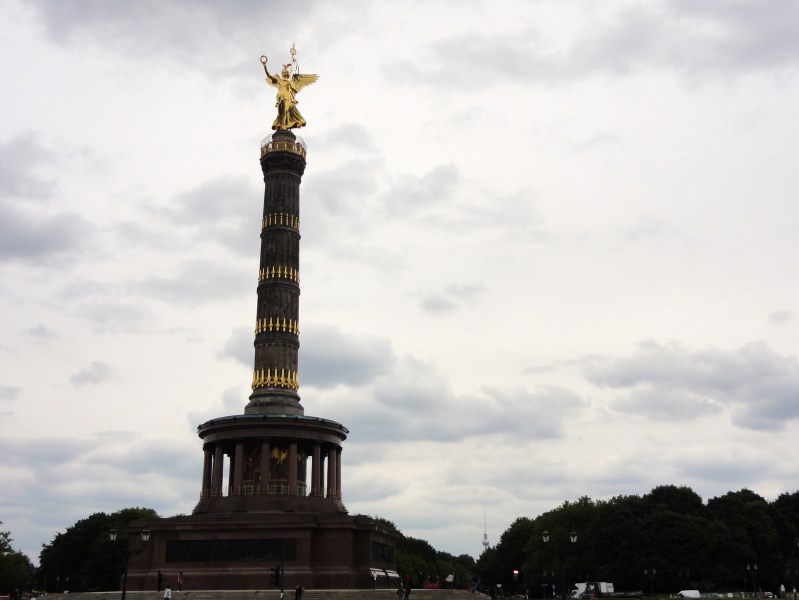
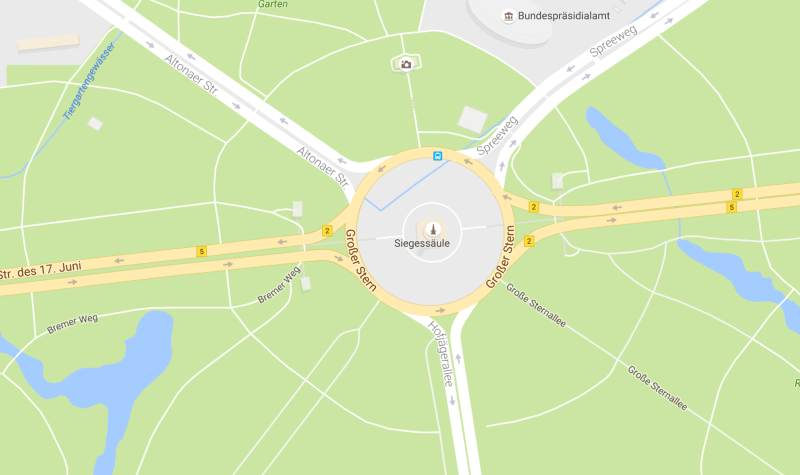
The Victory Column is a monument designed after 1864 to commemorate the Prussian victory in the Danish-Prussian War. By the time it was inaugurated on 2 September 1873, Prussia had also defeated Austria in the Austro-Prussian War (1866) and France in the Franco-Prussian War (1870–71), giving the statue a new purpose. Different from the original plans, these later victories in the so-called unification wars inspired the addition of the bronze sculpture of Victoria. Its viewing platform, for which a ticket is required, offers a view over Berlin. The column itself consists of four solid blocks of sandstone, three of which are decorated by cannon barrels captured from the enemies of the aforementioned three wars.
Kaiser Wilhelm Memorial Church
The original church on the site was built in the 1890s. It was badly damaged in a bombing raid in 1943. The present building, which consists of a church with an attached foyer and a separate belfry with an attached chapel, was built between 1959 and 1963. The damaged spire of the old church has been retained and its ground floor has been made into a memorial hall.


Charlottenburg Palace
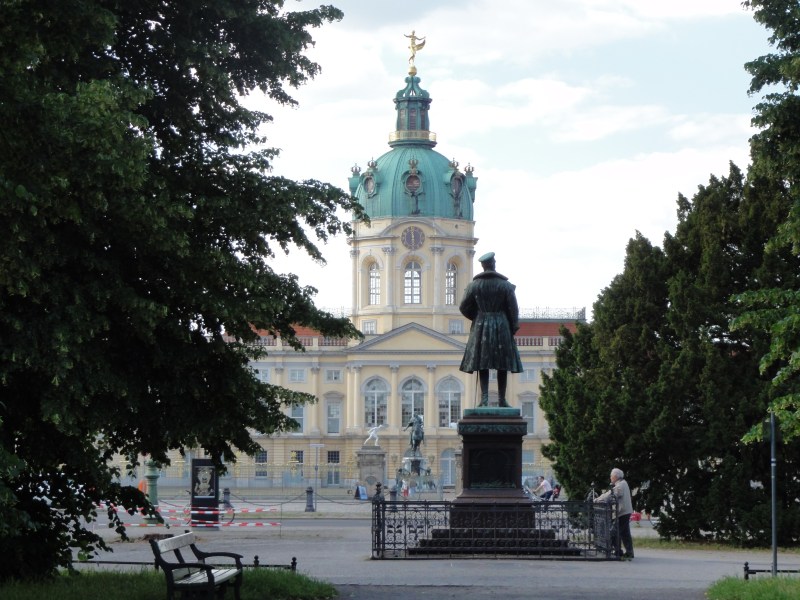
Charlottenburg Palace (German: Schloss Charlottenburg) is the largest palace in Berlin. The palace was built at the end of the 17th century and was greatly expanded during the 18th century. It includes much exotic internal decoration in baroque and rococo styles. A large formal garden surrounded by woodland was added behind the palace, including a belvedere, a mausoleum, a theatre and a pavilion.
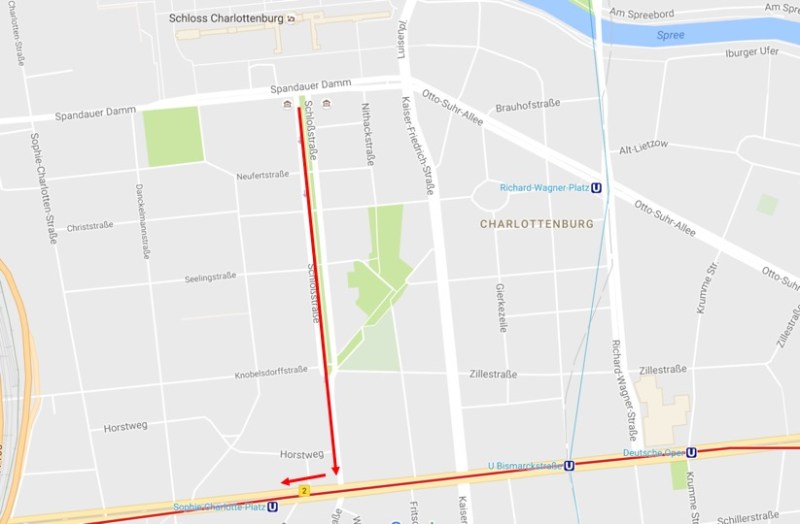
Directions: Take a left on Budapester Strasse and veer right on Hardenbergstraße. Enter the subway at the Bahnhof Zoologischer Garten stop. Take the U2 to Sophie-Charlotte-Platz. From Kaiserdam, take a left on Schloßstraße.


Olympic Stadium
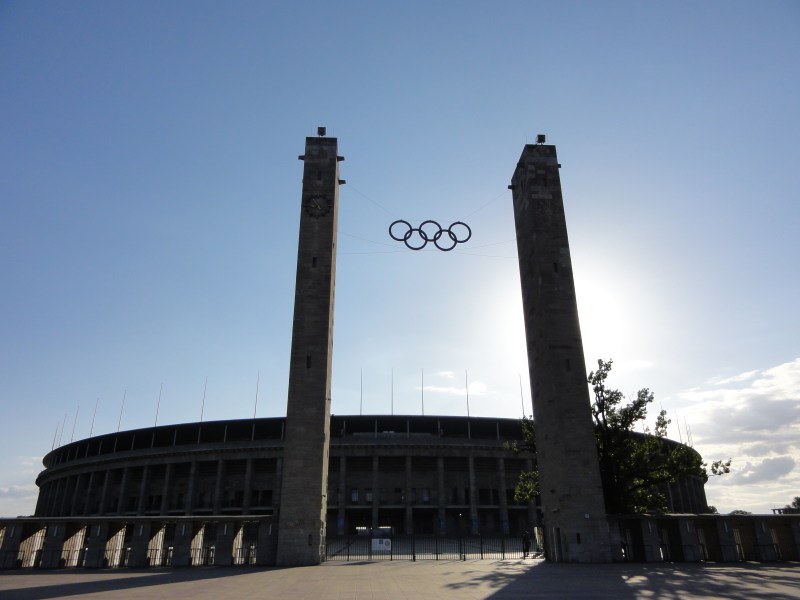
The Olympiastadion Berlin is a sports stadium originally built for the 1936 Summer Olympics.
Directions: From Charlottenburg Palace, return to the Sophie-Carlotte Platz subway stop. Take the U2 line to the Olympia-Station stop. From the Olympia-Station subway stop, walk forward on Rossiter Weg and turn right on Olympischer Platz.

 Eternal Horizon