Alhambra Complex
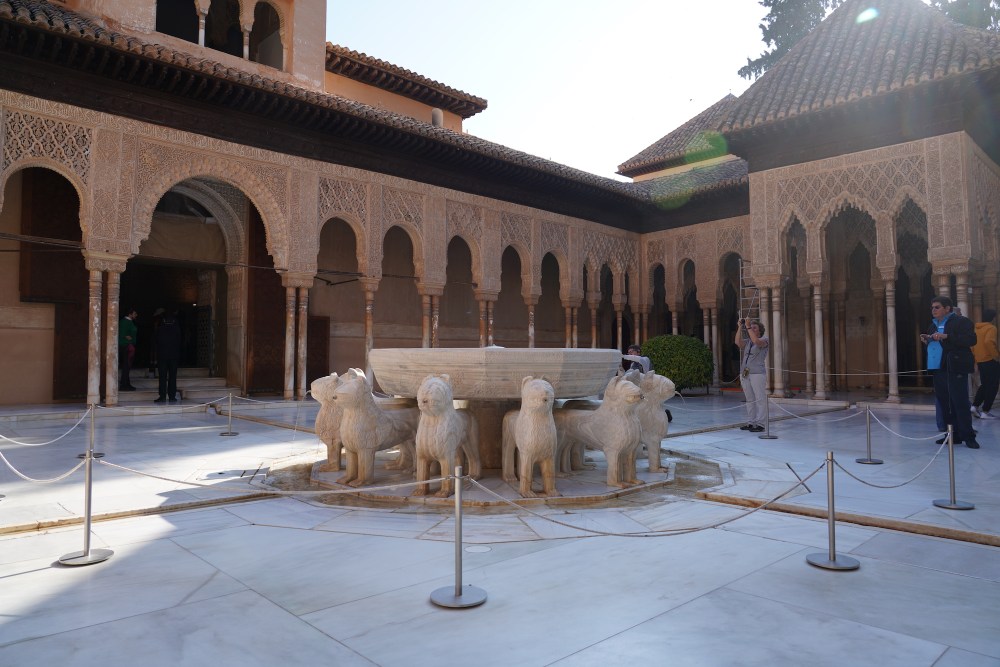
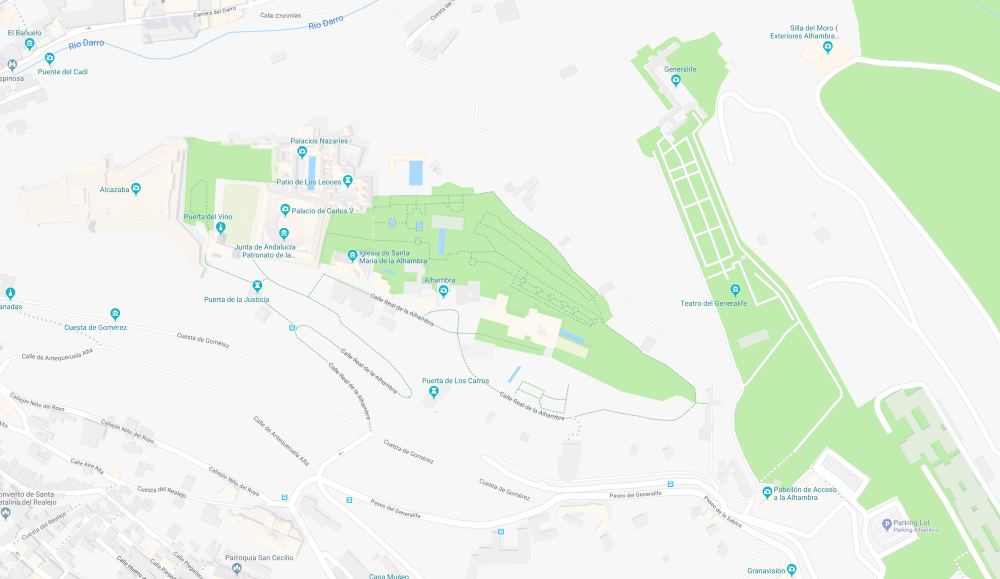
The Alhambra is a palace and fortress complex originally constructed as a small fortress in AD 889 on the remains of Roman fortifications, and then largely ignored until its ruins were renovated and rebuilt in the mid-13th century. It was converted into a royal palace in 1333 by Yusuf I, Sultan of Granada. After the conclusion of the Christian Reconquista in 1492, the site became the Royal Court of Ferdinand and Isabella and is where Christopher Columbus received royal endorsement for his expedition. At this point, the palaces were partially altered in the Renaissance style. After being allowed to fall into disrepair for centuries, the buildings occupied by squatters, Alhambra was rediscovered following the defeat of Napoleon, who had conducted retaliatory destruction of the site. The rediscoverers were first British intellectuals and then other north European Romantic travelers. It is now one of Spain’s major tourist attractions, exhibiting the country’s most significant and well-known Islamic architecture.
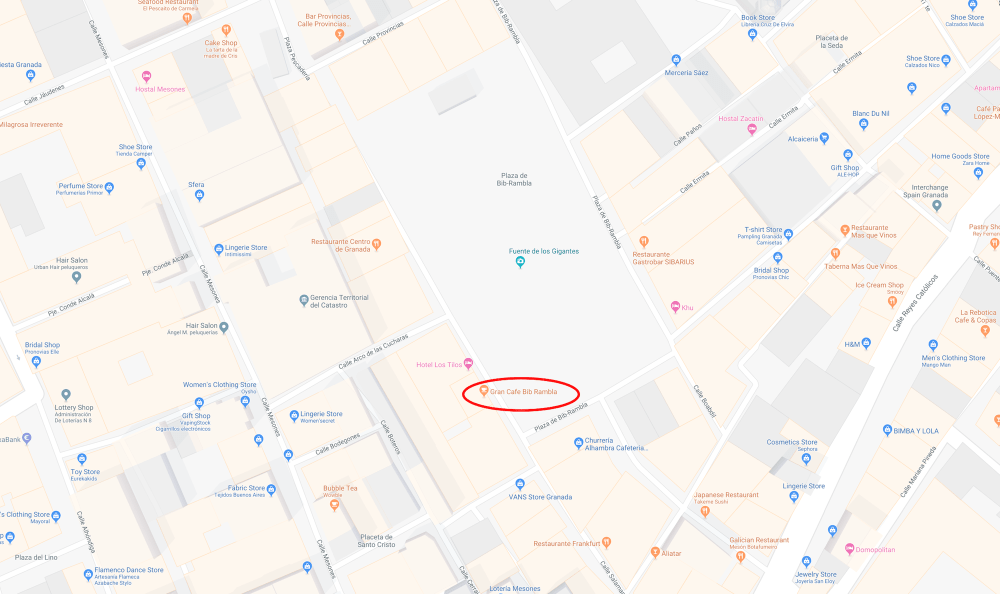
Lunch: Gran Café Bib Rambla (8a – 11p)
Dessert: Churros la Romanilla
Calle Alcaiceria


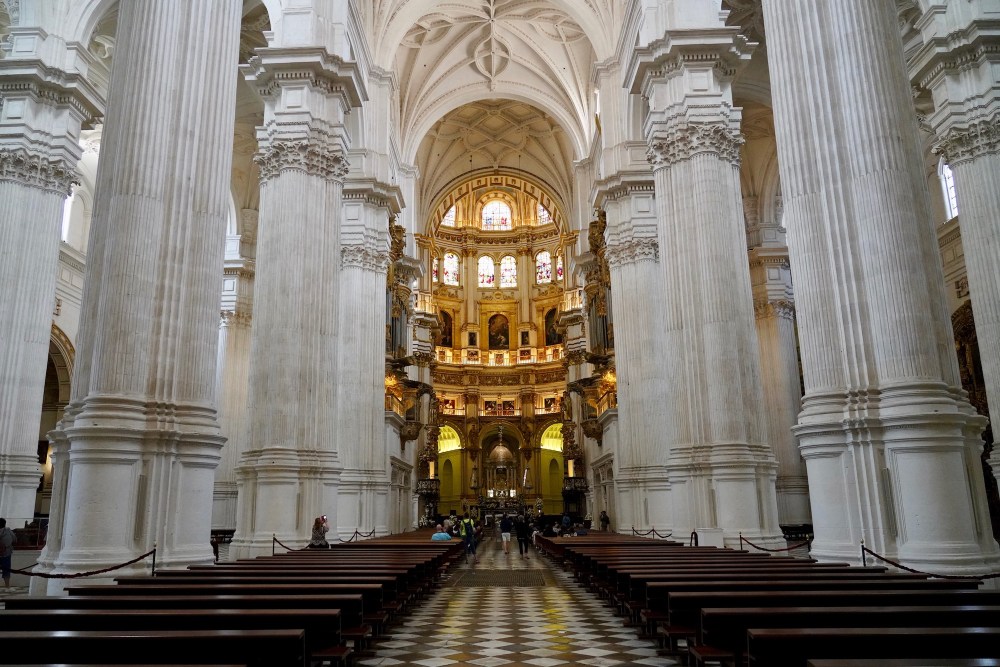
Catedral de Granada
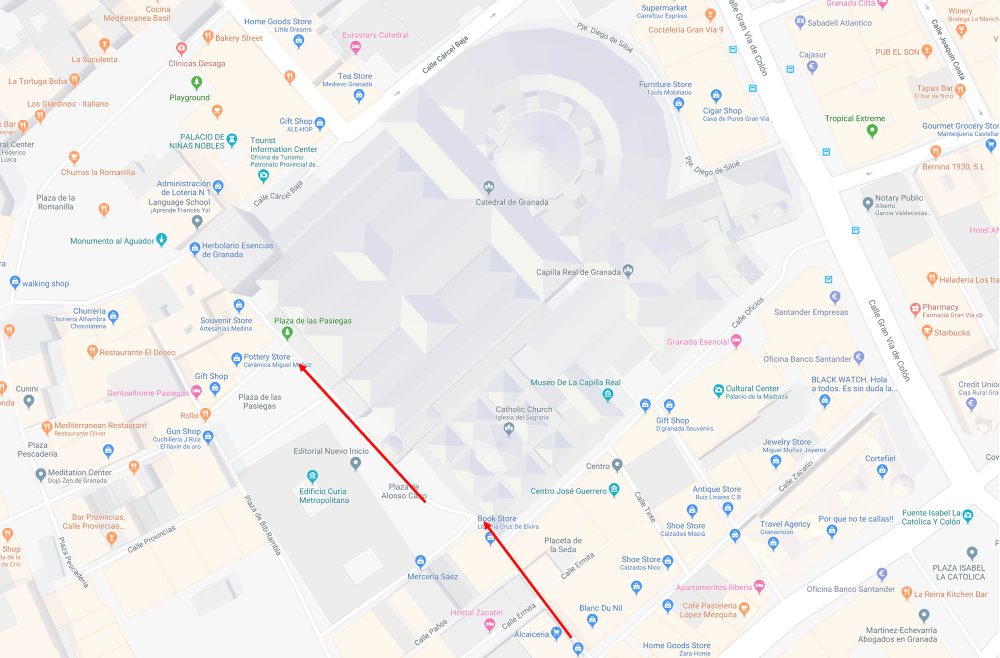
Royal Chapel of Granada
The Royal Chapel of Granada is an Isabelline style building, constructed between 1505 and 1517, and originally integrated in the complex of the neighboring Granada Cathedral. It is the burial place of the Spanish monarchs, Queen Isabella I and King Ferdinand, the so-called Catholic Monarchs. Apart from these historical links, this building also contains a gallery of artworks and other items associated with Queen Isabella.
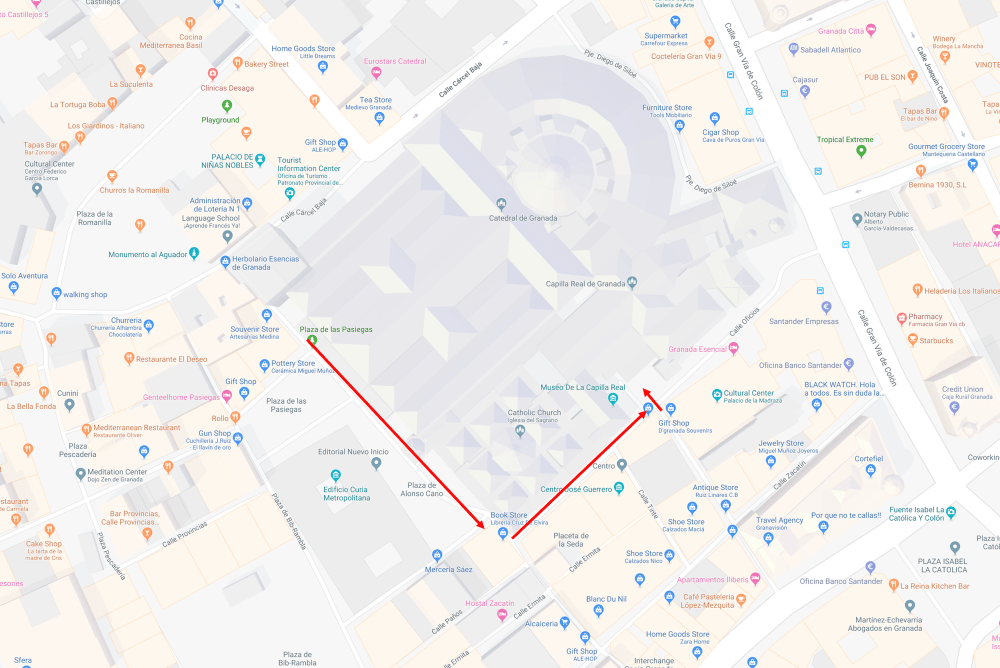
Tea: Teteria Kasbah
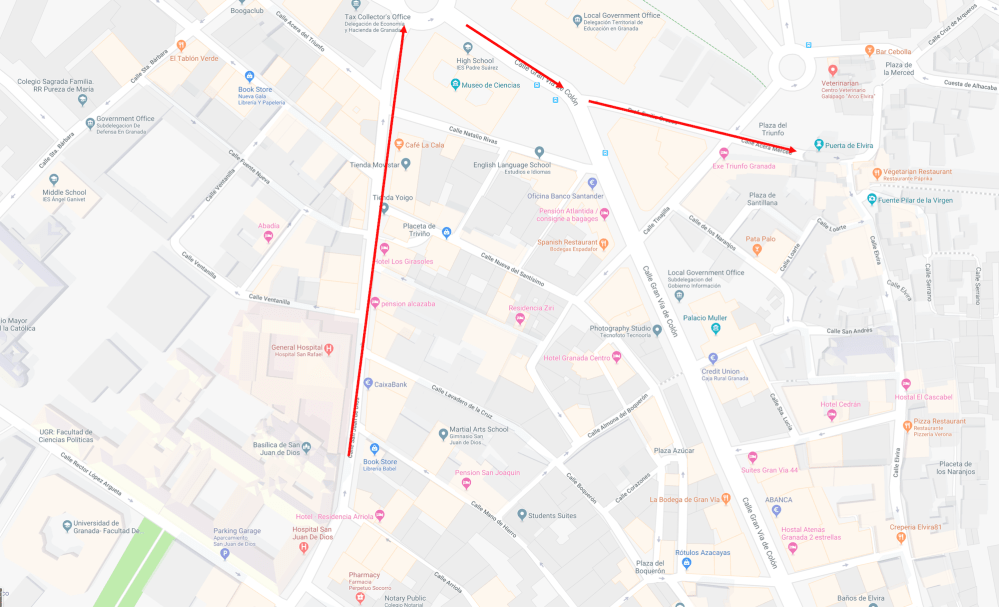
Basilica of San Juan de Dios
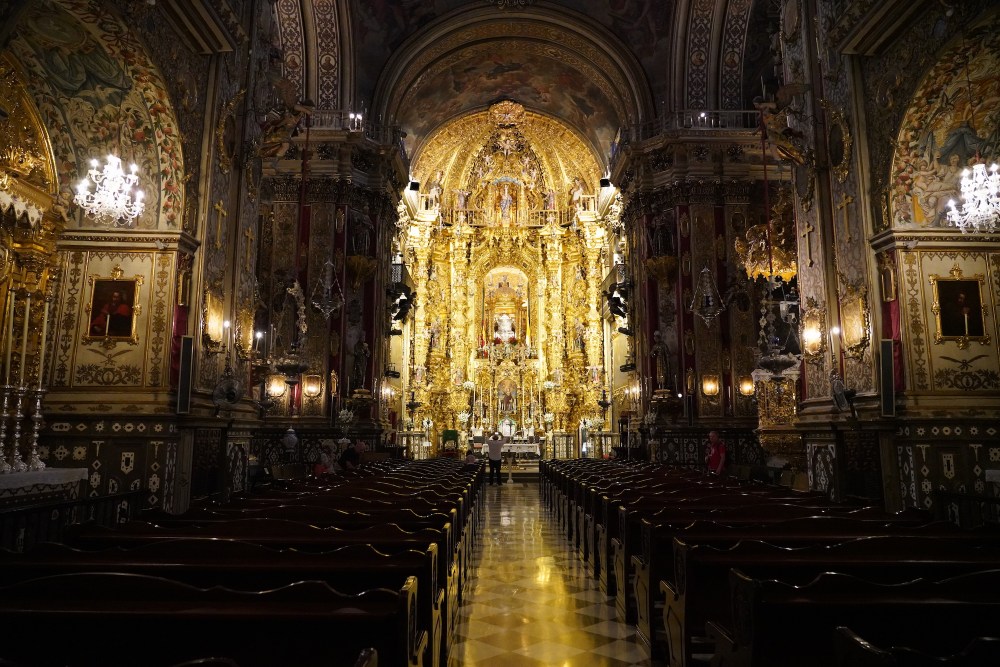
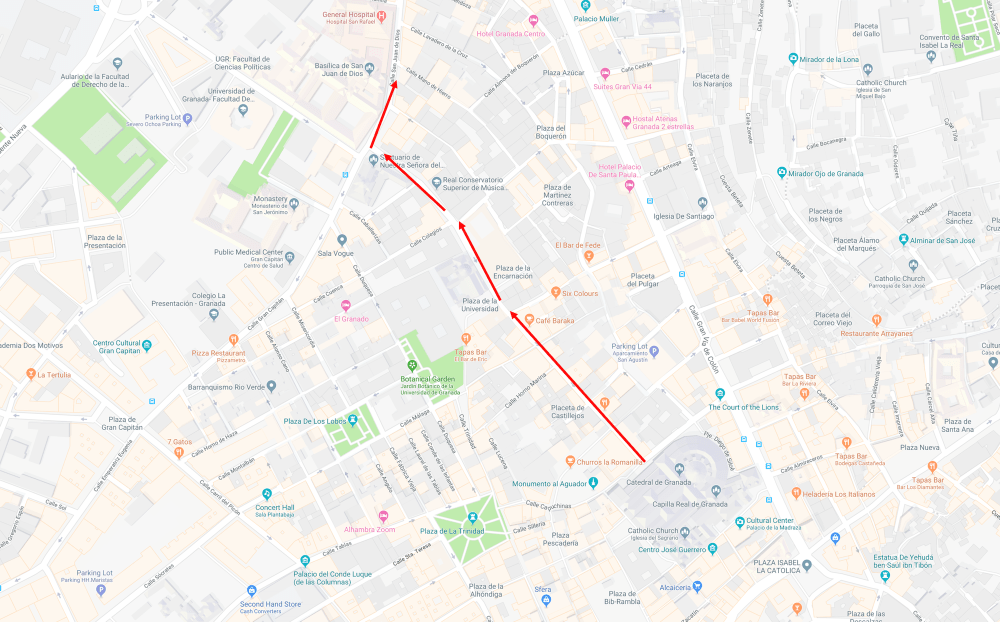
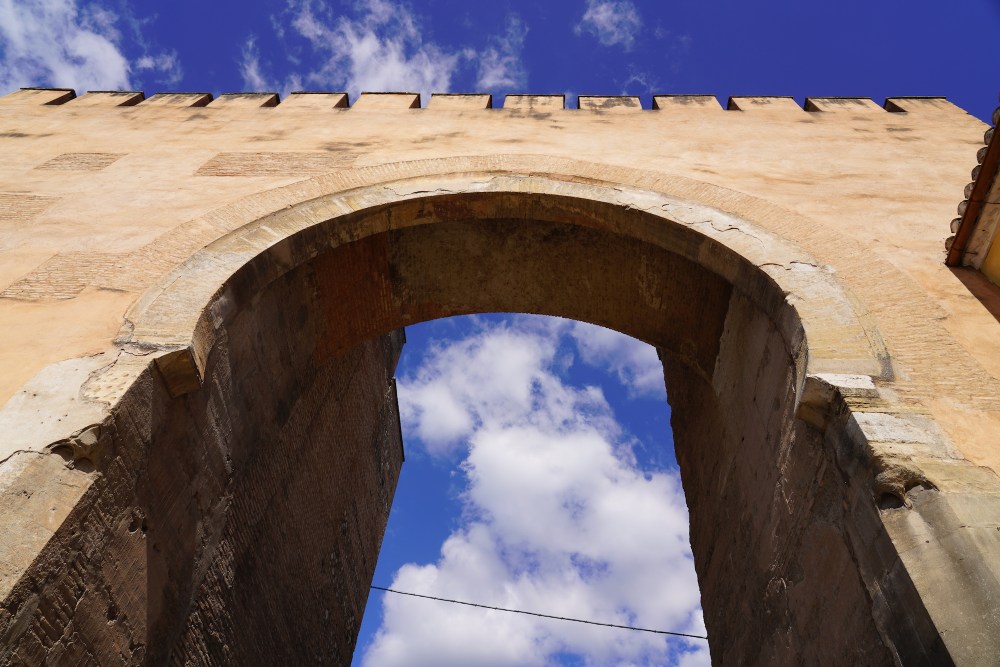
Puerta de Elvira
Ice Cream: Heladería Los Italianos

Drink: Bodegas Castaneda
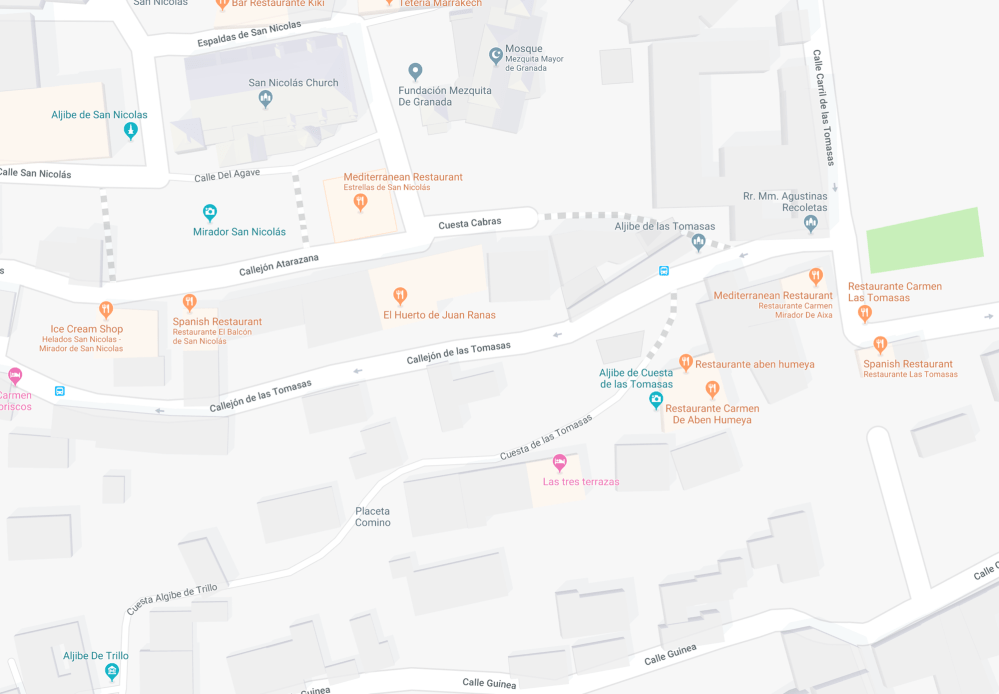
Dinner: Carmen Aben Humeya
Cuevas Rocio


 Eternal Horizon