Starting Point: Prado Museum
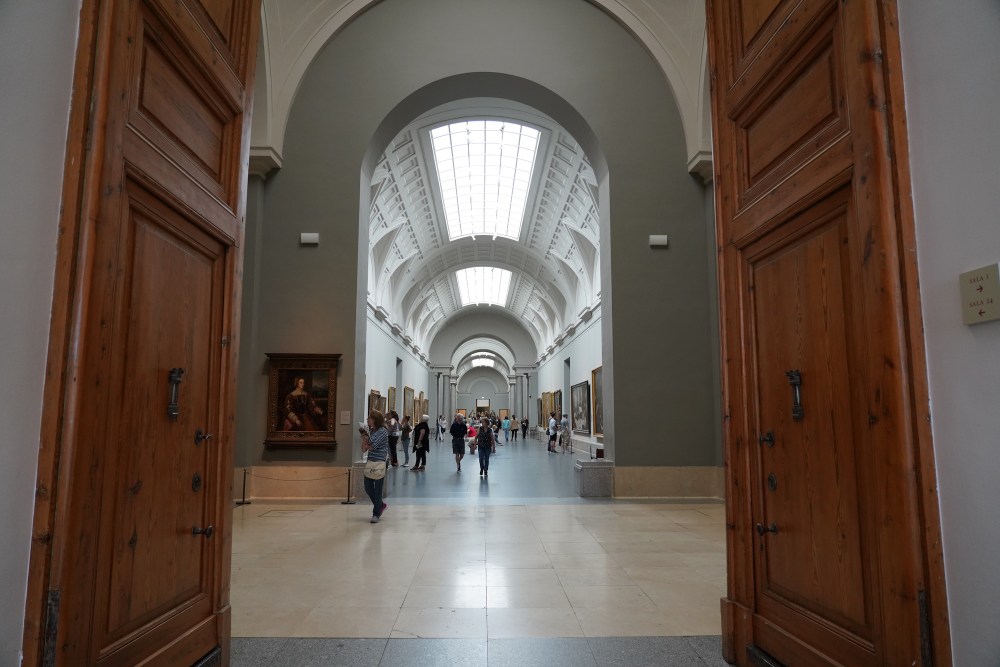
The Prado Museum is the main Spanish national art museum, located in central Madrid. It is widely considered to have one of the world’s finest collections of European art, dating from the 12th century to the early 20th century, based on the former Spanish Royal Collection, and the single best collection of Spanish art. Founded as a museum of paintings and sculpture in 1819, it also contains important collections of other types of works. El Prado is one of the most visited sites in the world, and it is considered one of the greatest art museums in the world. The numerous works by Francisco Goya, the single most extensively represented artist, as well as by Hieronymus Bosch, El Greco, Peter Paul Rubens, Titian, and Diego Velázquez, are some of the highlights of the collection.
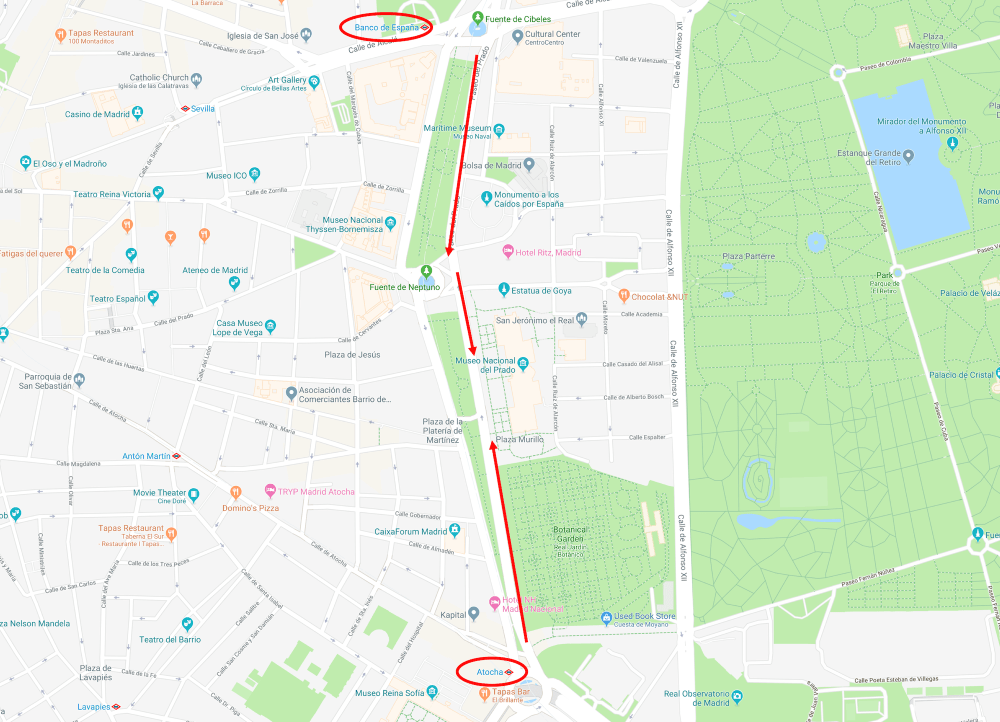
Directions: Take subway Line 1 to Atocha or Line 2 to Banco de Espana. From Atocha, take a left on Paseo del Prado. From Banco de Espana, take a right on Paseo del Prado.
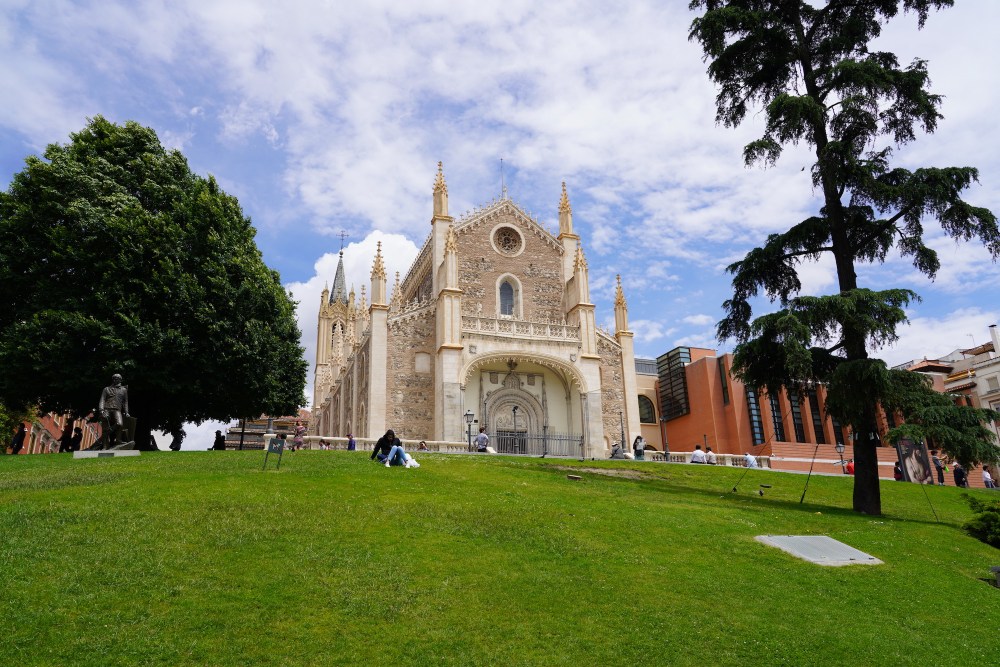
San Jeronimo el Real
San Jerónimo el Real is a Roman Catholic church from the early 16th-century in central Madrid.
The church, which has undergone numerous remodelings and restorations over the centuries is the remaining structure of the Hieronymite monastery that once stood beside the royal palace of Buen Retiro, of which a portion now serves as the Prado museum. Its proximity to the royal palace also underscores a connection to royalty, serving for centuries as the church used for the investiture of the Prince of Asturias. In part, this link was cemented also because Madrid only completed its Cathedral of the Almudena in 1993. For many centuries, the Church of San Isidro served as a de facto cathedral, but while this church was associated with the patron saint of Madrid, St. Isidore was also the patron of manual laborers, not royalty, thereby relegating the role of royal chapel to this church.
Directions: The church is located behind the museum.

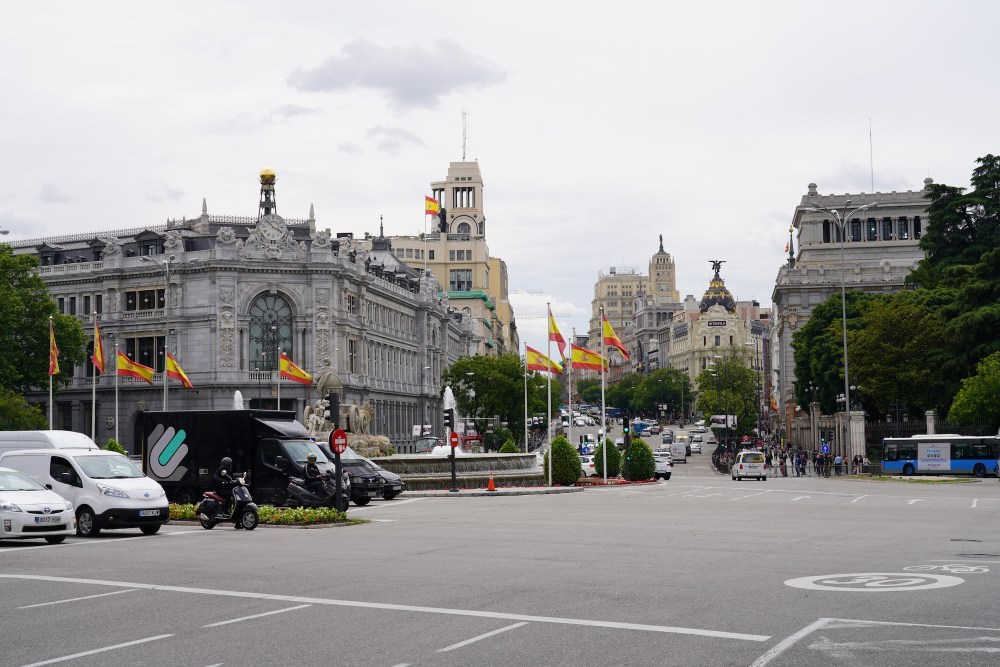
Plaza de Cibeles
The Plaza de Cibeles is a square with a neo-classical complex of marble sculptures with fountains that has become an iconic symbol for the city of Madrid. Plaza de Cibeles was originally named Plaza de Madrid, but in 1900, the City Council named it Plaza de Castelar, which was eventually replaced by its current name.It is currently delimited by four prominent buildings: the Bank of Spain, the Palacio de Buenavista, the Palace of Linares, and the Cybele Palace.
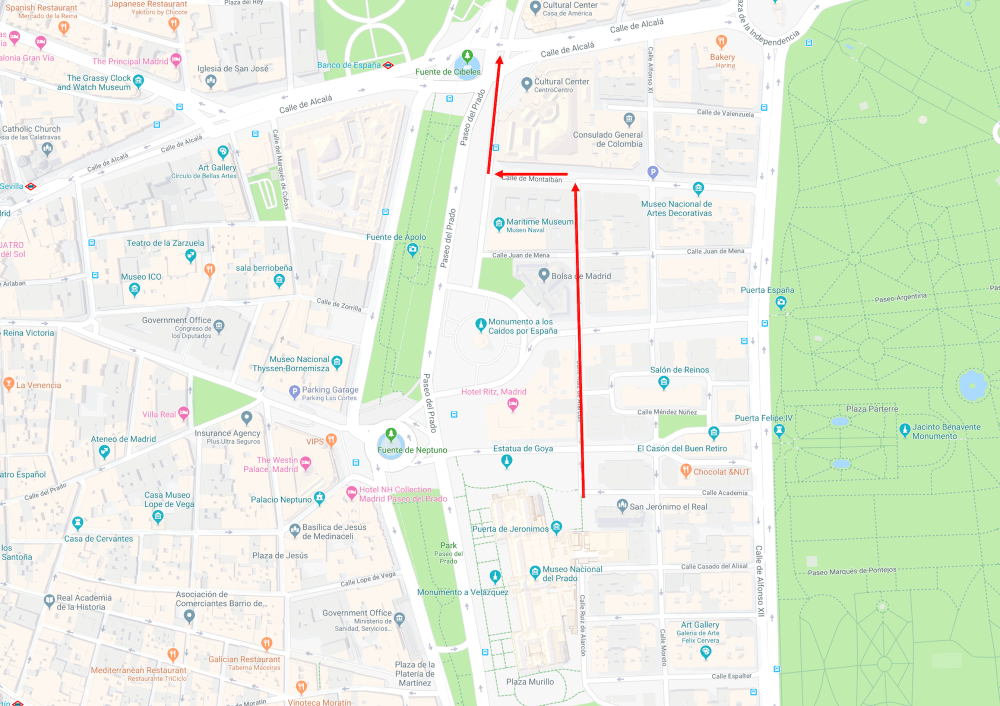
Directions: From the church, turn right on Calle Ruiz de Alarcón. Turn left on Calle de Montalbán. Turn right on Paseo del Prado.
Parque de el Retiro
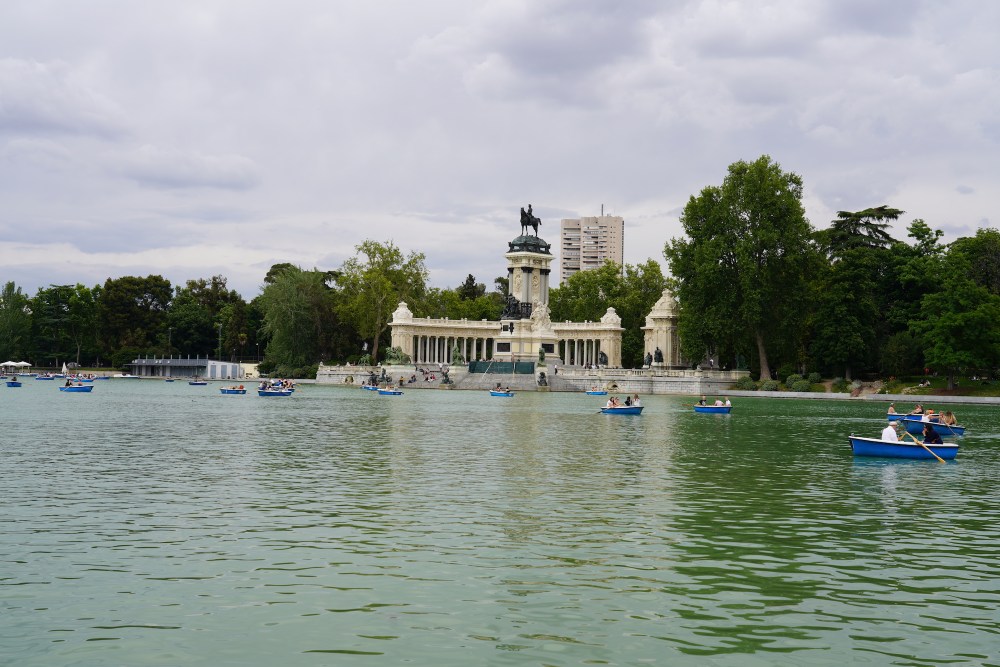
The Buen Retiro Park is one of the largest parks of the city of Madrid. The park belonged to the Spanish Monarchy until the late 19th century, when it became a public park.
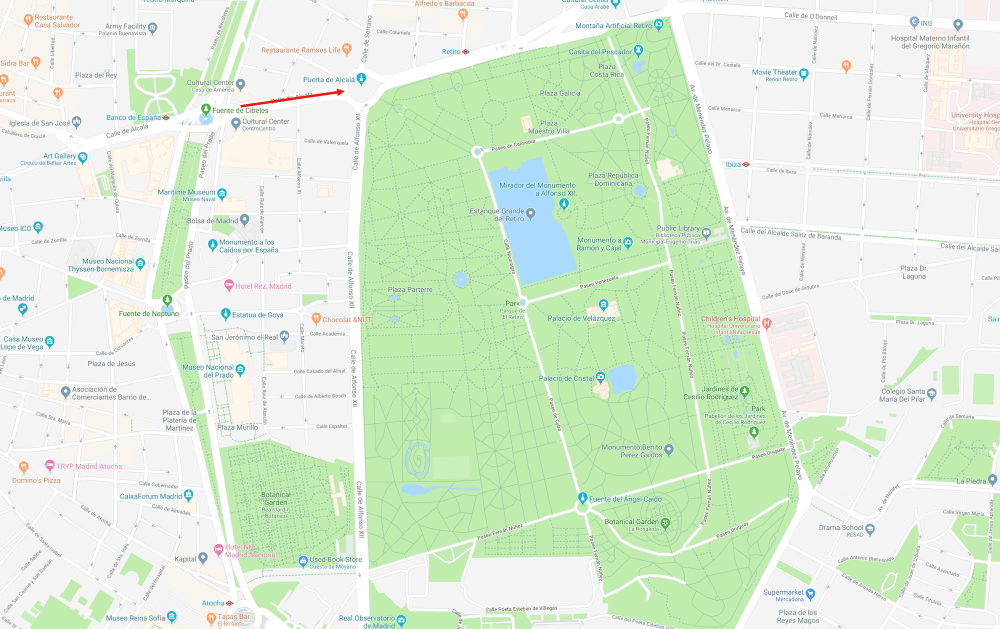
Directions: From Paseo del Prado, take a right on Calle de Alcalá.
 Eternal Horizon