Starting point: The British Museum
The British Museum is a public institution dedicated to human history, art and culture. Its permanent collection numbers some 8 million works, and is among the largest and most comprehensive in existence having been widely sourced during the era of the British Empire, and documenting the story of human culture from its beginnings to the present. It is the first national public museum in the world. The British Museum was established in 1753, largely based on the collections of the Irish physician and scientist Sir Hans Sloane. It first opened to the public on 15 January 1759, in Montagu House, on the site of the current building.
Highgate Cemetery
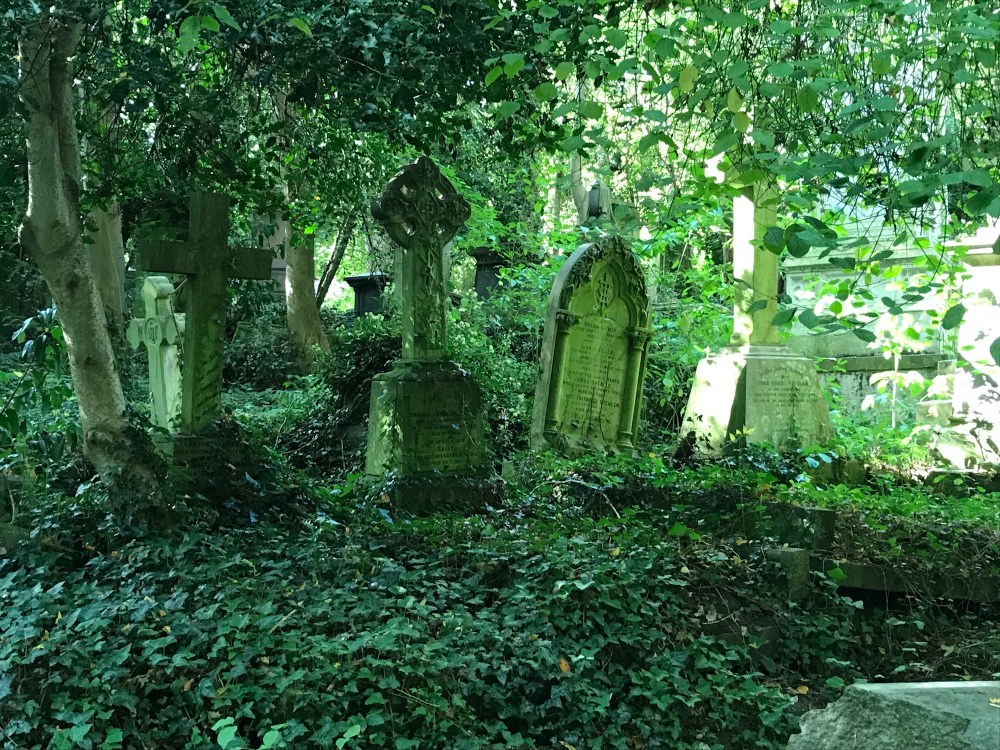
Highgate Cemetery is a place of burial in north London, England. There are approximately 170,000 people buried in around 53,000 graves across the West Cemetery and the East Cemetery. It is notable both for some of the people buried there as well as for its de facto status as a nature reserve. The cemetery in its original form—the northwestern wooded area—opened in 1839, as part of a plan to provide seven large, modern cemeteries around the outside of central London. The inner-city cemeteries, mostly the graveyards attached to individual churches, had long been unable to cope with the number of burials and were seen as a hazard to health and an undignified way to treat the dead.
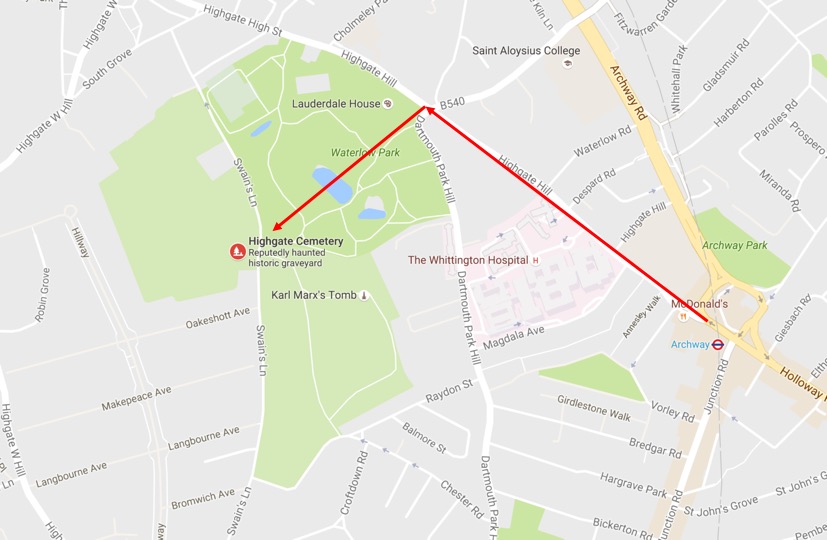
Directions: Take the Northern Line (towards High Barnet) to Archway. Walk north on Highgate Hill. Walk left through Waterlow Park to the main entrance on Swain’s Lane. Please note there is often construction leading to closed subway lines.
Liberty
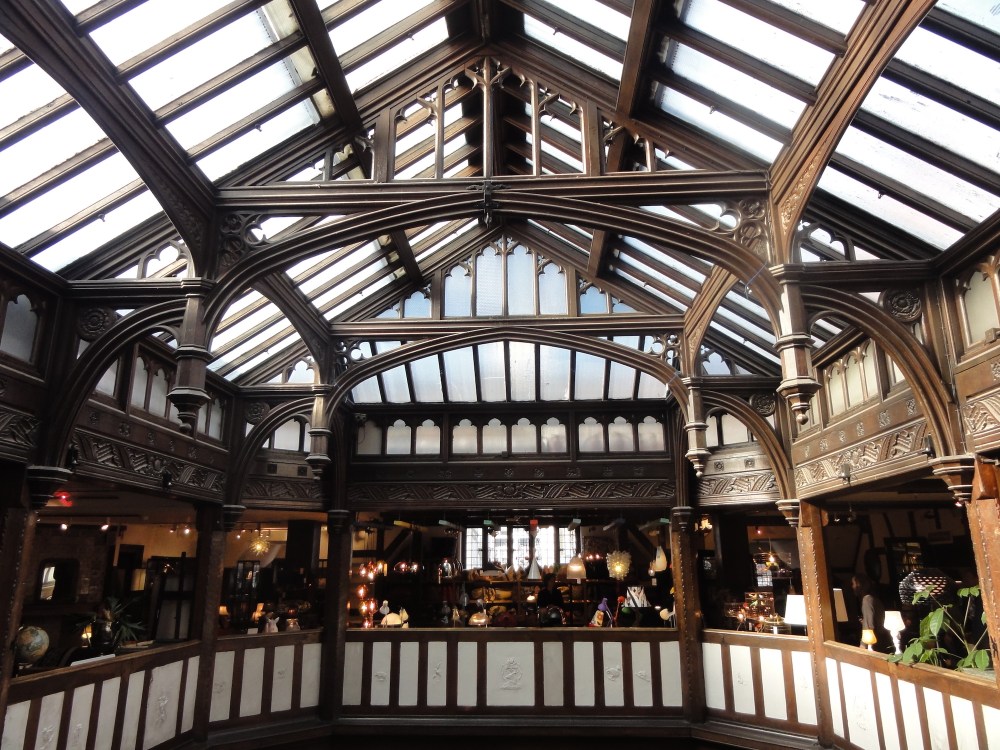
Liberty is a department store on Great Marlborough Street in the West End of London. The shop opened during 1875 selling ornaments, fabric and objets d’art from Japan and the East. As the business grew, neighboring properties were bought and added. The Tudor revival building was built so that trading could continue while renovations were being completed on the other premises, and in 1924, this store was constructed from the timbers of two ships: HMS Impregnable (formerly HMS Howe) and HMS Hindustan.
Piccadilly Circus
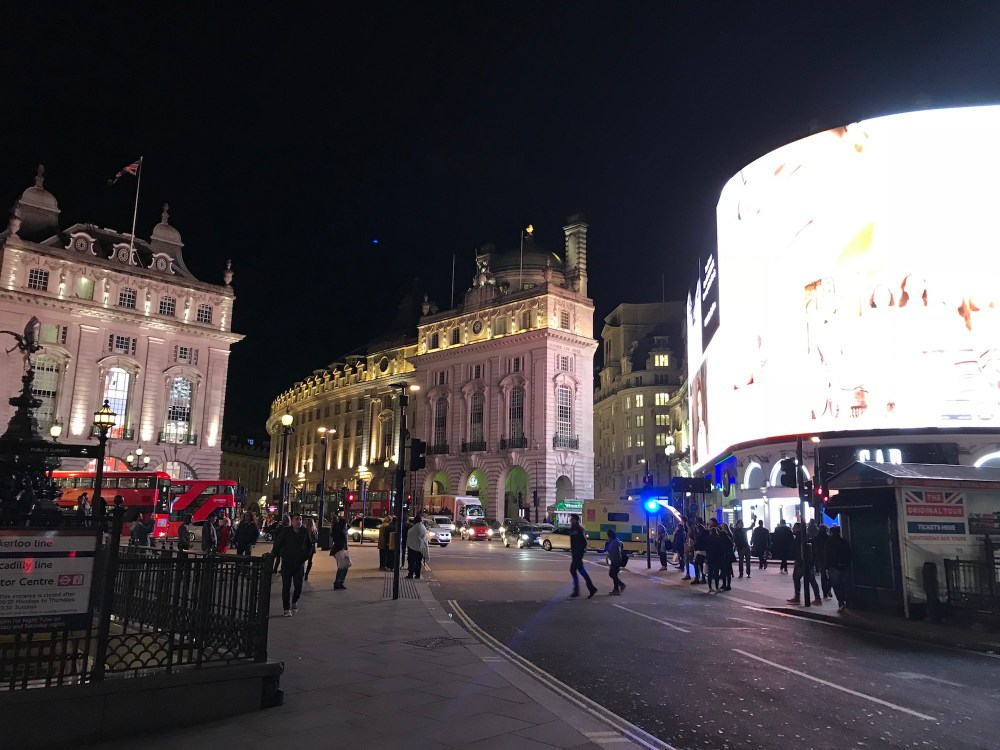
Piccadilly Circus is a road junction and public space of London’s West End in the City of Westminster. It was built in 1819 to connect Regent Street with Piccadilly. Piccadilly now links directly to the theatres on Shaftesbury Avenue, as well as the Haymarket, Coventry Street (onwards to Leicester Square) and Glasshouse Street. The Circus is close to major shopping and entertainment areas in the West End.
Fortnum and Mason
St. James’s Palace
St James’s Palace was built by King Henry VIII between 1531 and 1536 on the site of a leper hospital dedicated to Saint James the Less. The palace was secondary in importance to the Palace of Whitehall for most Tudor and Stuart monarchs. The palace increased in importance during the reigns of the early Georgian monarchy, but was displaced by Buckingham Palace in the late-18th and early-19th centuries. A fire in 1809 destroyed parts of the structure, including the monarch’s private apartments, which were never replaced.

 Eternal Horizon